

500 Posters, 2 Murals, 14 Days: A Street Takeover in Santiago, Chile
An international iGaming brand (name withheld under NDA) wanted a physical, unmissable presence in Chile before spending another dollar on digital ads there. We designed, produced and placed a QR-linked poster and mural campaign across Santiago’s busiest streets — delivered in two weeks, for $7,500, with an estimated media value of up to $19,400.
Physical presence, not another banner ad
The client needed to enter the Chilean market with a visible, repeated physical presence — not a one-off placement, but genuine street-level saturation in high-footfall areas of Santiago, connected directly to a registration path. Four specific challenges shaped the brief:
- Enter the market with a strong physical footprint, not just a digital one.
- Achieve repeated visibility in crowded, high-traffic locations rather than a single scattered placement.
- Connect offline awareness to a direct registration path, so the campaign was measurable, not just decorative.
- Build local production capacity from zero — the client had no existing supplier network in Chile.
Poster activation: 500 A3 posters along Santiago’s busiest route
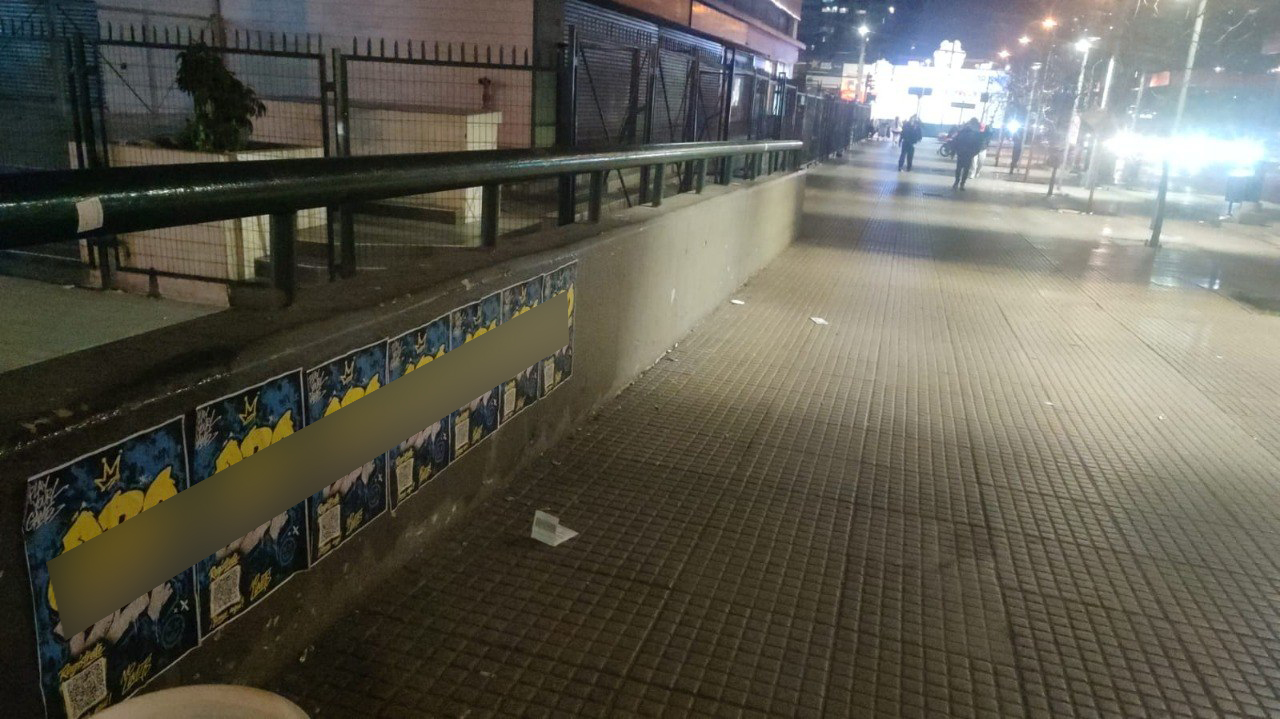
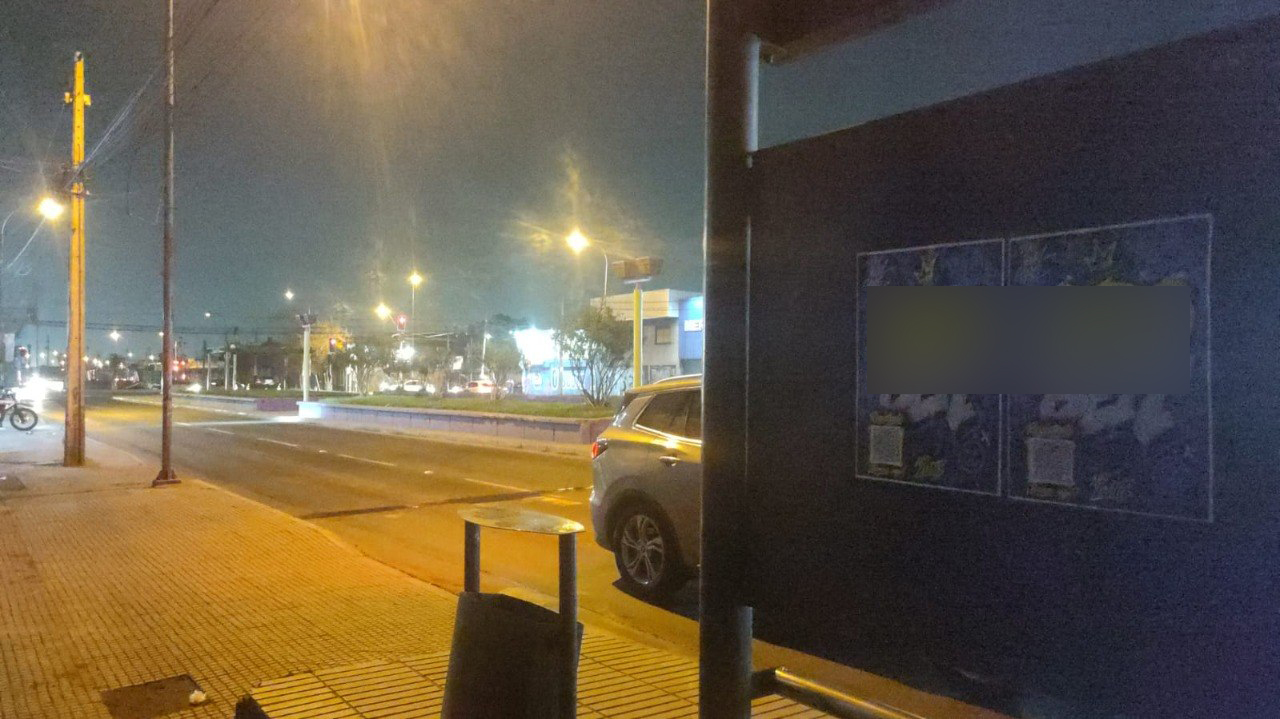
Posters ran along a high-footfall corridor through central Santiago — from Estación Central along Alameda to República, La Moneda, Santa Lucía and Lastarria. Every single creative carried a QR code linking straight to the registration journey.
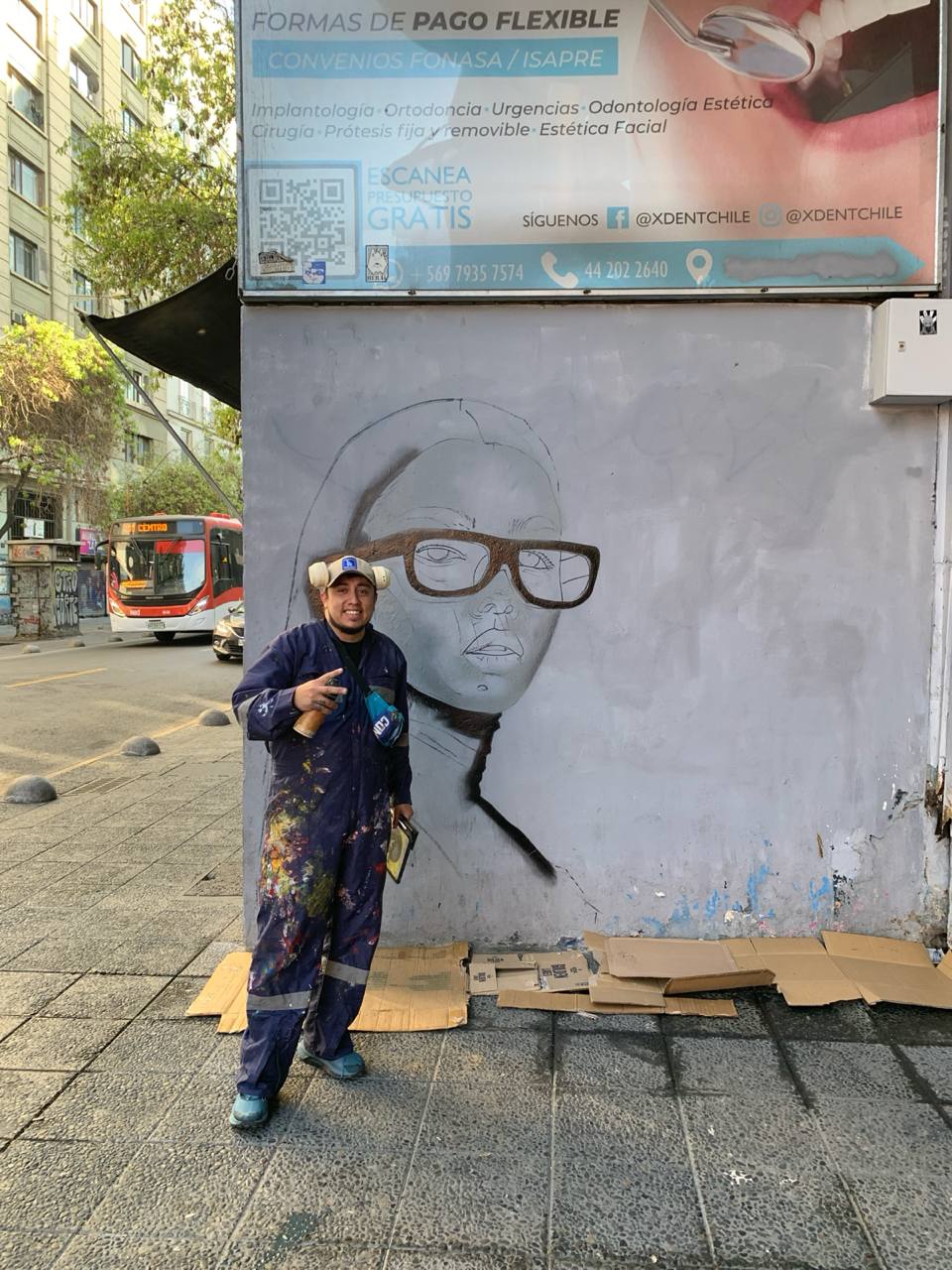
Mural activation: two 3×4 meter murals in high-traffic zones
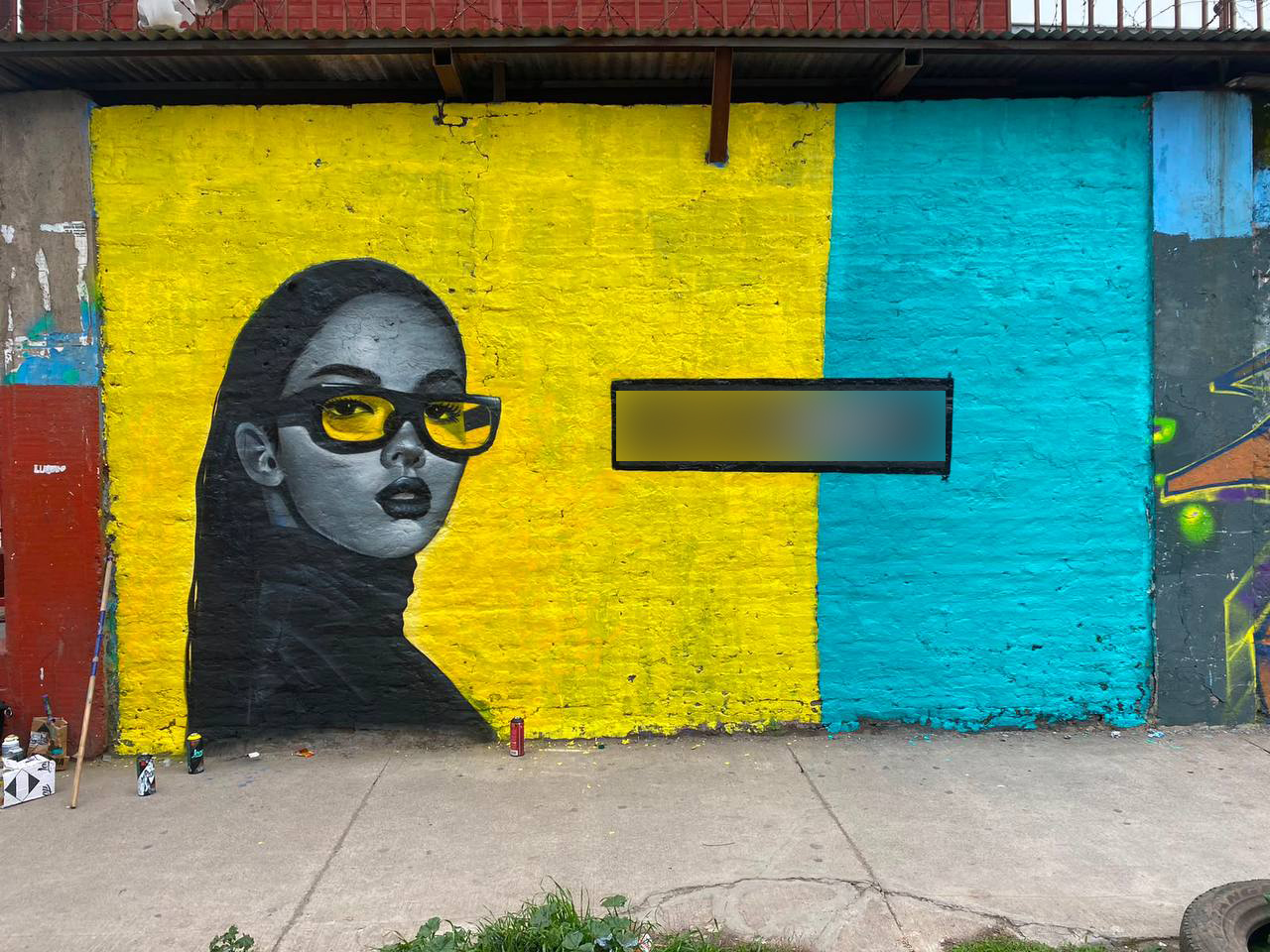
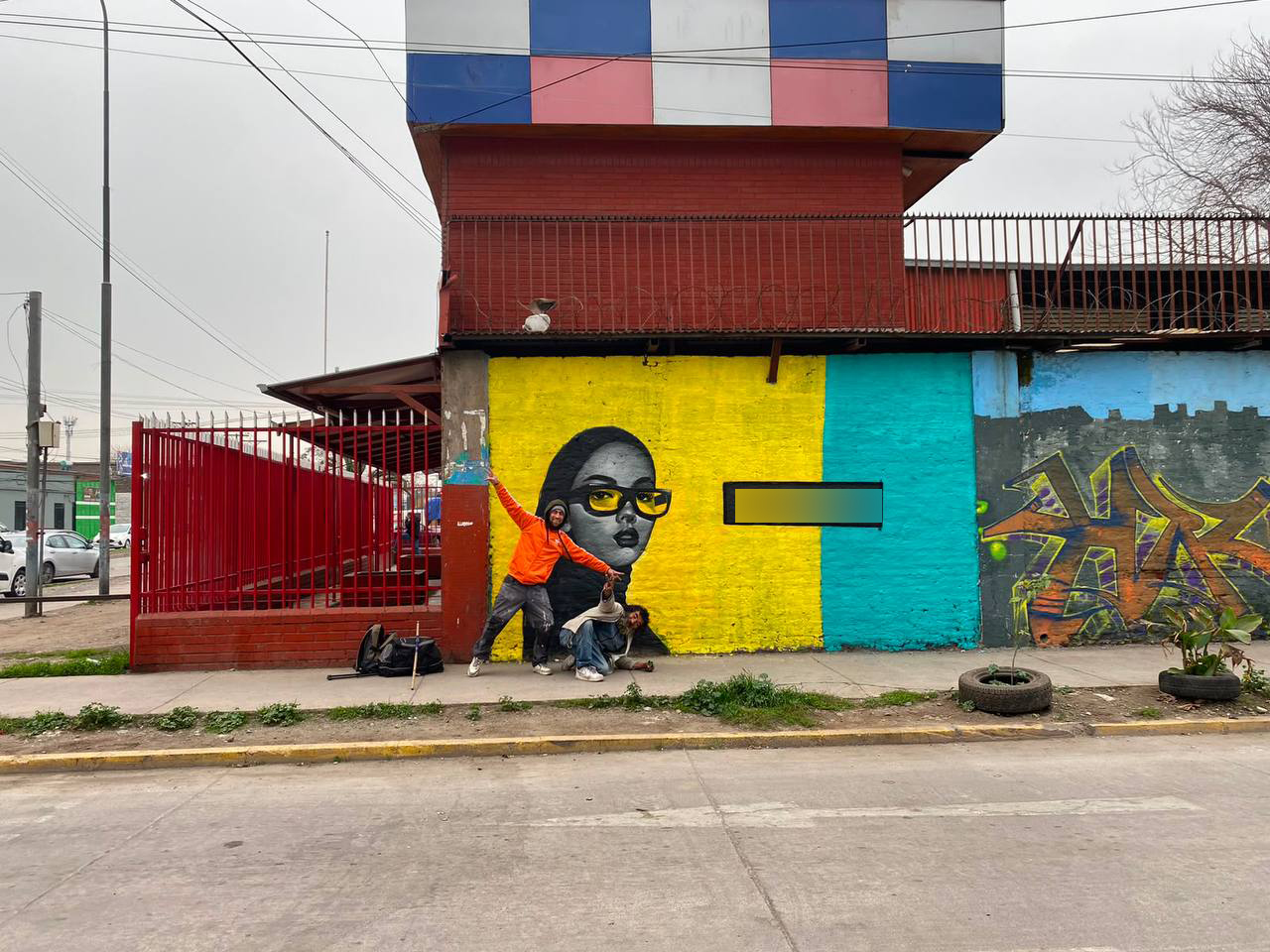
Beyond the poster run, two large-format murals turned the campaign into genuine street art — big enough to be a landmark in their own neighborhoods, not just an ad someone walks past.
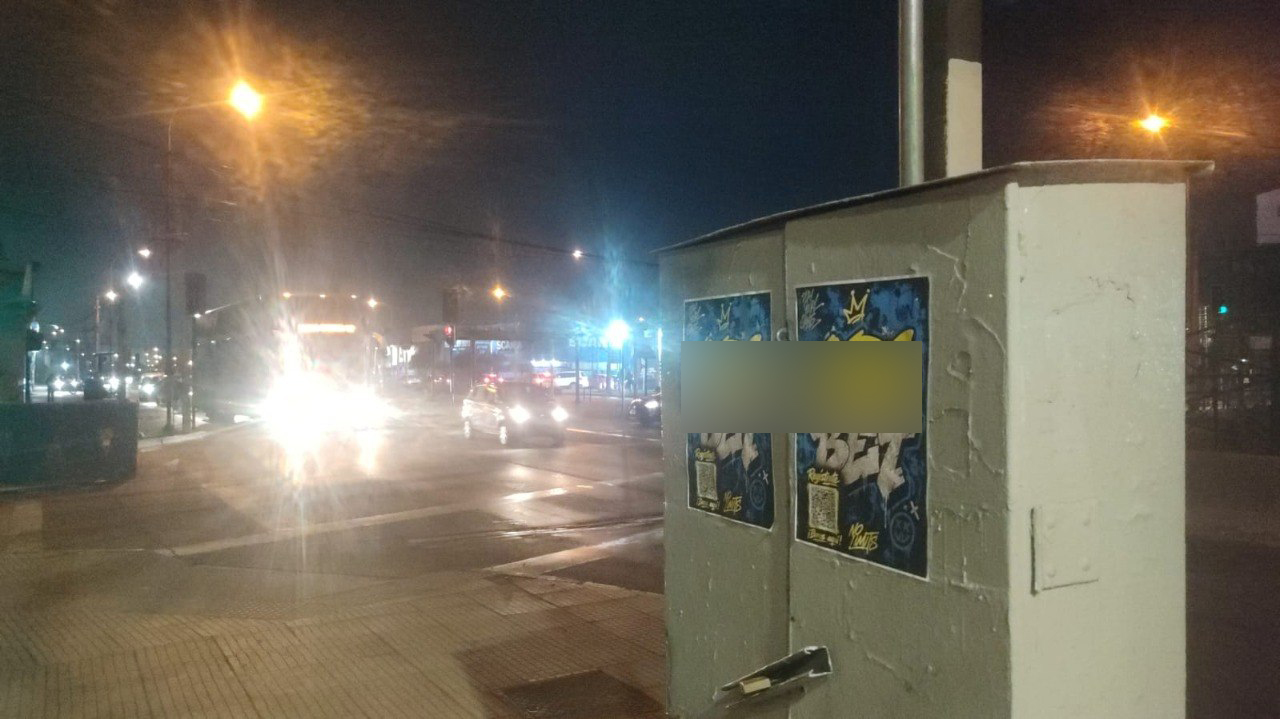
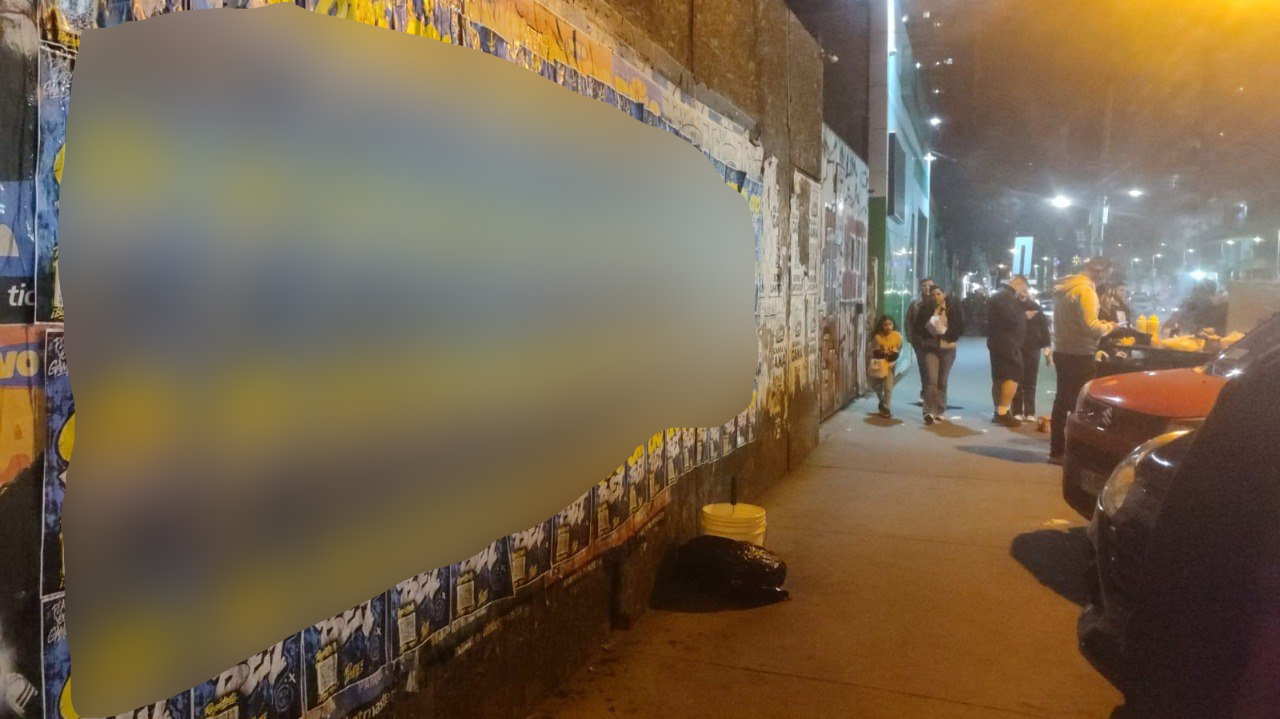
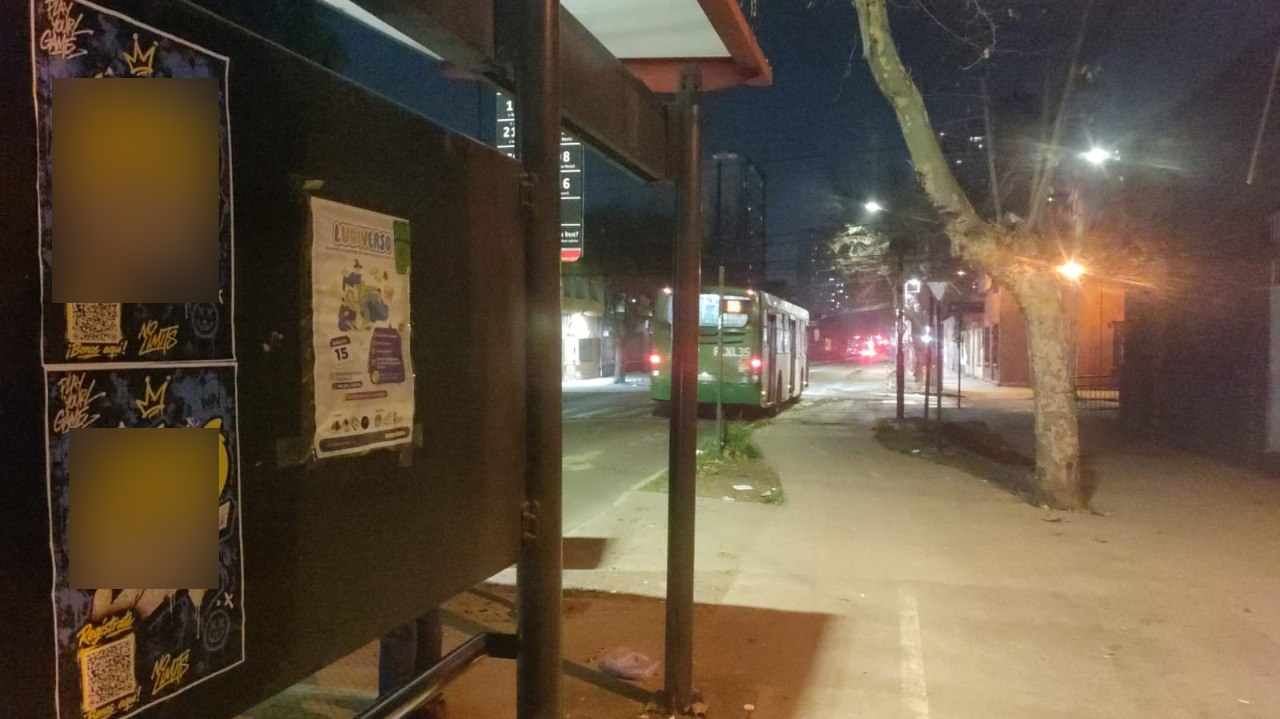
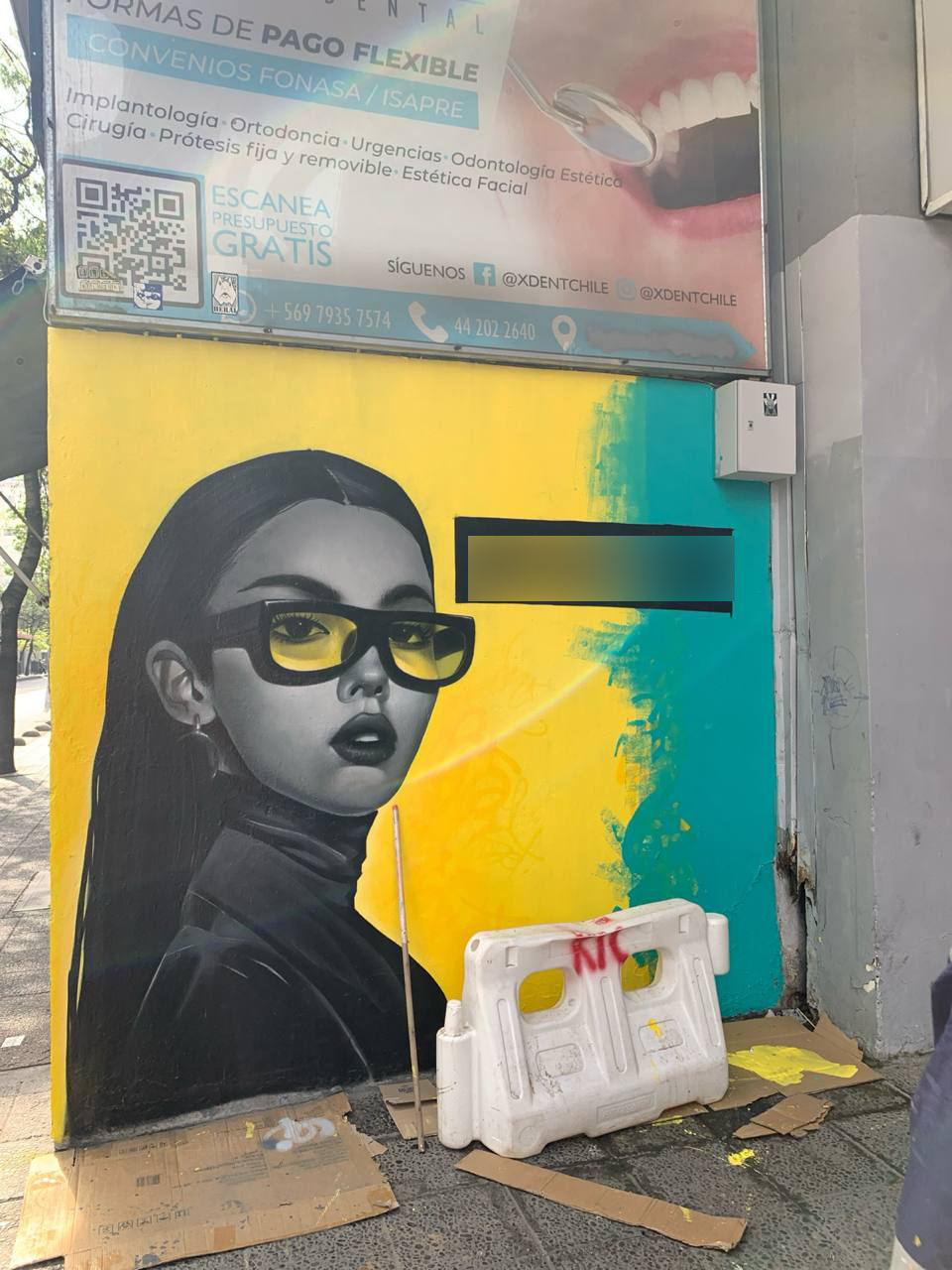
Concept to completed street campaign in 14 days
Concept development. Creative direction built around the client’s brand and the registration journey it needed to drive.
Poster design with QR integration. Every creative built from the start with a working, trackable QR code, not added as an afterthought.
Local artist sourcing. Built a production network in Chile from zero, since the client had no existing local suppliers.
Mural sketches, printing and production. Full creative and physical production run in parallel to keep the timeline tight.
Poster placement across the Alameda corridor. All 500 posters placed along the planned high-footfall route.
Two mural executions and full photo reporting. Both murals completed and documented, delivered within 14 days of payment.
What $7,500 actually bought
| Metric | Value |
|---|---|
| Total spend | $7,500 |
| Delivery time (payment to completion) | 14 days |
| Branded A3 posters placed | 500 |
| Large-format murals | 2, at 3×4m each |
| Total painted brand surface | 24 m² |
| Projected monthly OTS (opportunities to see) | ≈4.8 million |
| Projected daily OTS | ≈160,000 |
| Projected CPM | ≈$1.56 |
Two slides in the original campaign report calculated impressions-per-dollar slightly differently: one figure lands at roughly 640 impressions per $1 spent, based directly on projected monthly OTS divided by spend. A second, more conservative figure used for the business outcomes summary put it at roughly 496 per $1. Both numbers are shown here rather than picking the more flattering one — the OTS-based math checks out exactly against the campaign’s own reported CPM.
Business outcomes
| Outcome | Result |
|---|---|
| Organic search query growth (first 2 weeks) | +32%, continued growth after |
| CPM vs standard static OOH benchmarks | 45-61% lower |
| Estimated equivalent media value | $13,600 – $19,400 |
| Estimated cost advantage vs standard OOH | $6,100 – $11,900 |
| Estimated media value-to-cost ratio | 1.8x – 2.6x |
Bottom line: a $7,500 investment produced an estimated 4.8 million monthly opportunities to see, at a CPM roughly half of standard static OOH rates, generating up to $19,400 in equivalent media value — while also measurably increasing how many people searched for the brand online.
The same mechanic, three different reasons to use it
Casino operators
Physical, trusted presence in a new market — visible before a single player has heard of you digitally, with a QR path straight into registration.
Sportsbooks
Street-level visibility timed to a season, tournament or market entry, reinforcing digital acquisition with something fans physically see in their own city.
Game providers & studios
Visible proof of momentum around a title launch or portfolio push — the kind of physical, photographable presence that trade press and operators notice, covered further on our PR for game providers page.
Quick answers
How much does a guerrilla marketing / street poster and mural campaign cost?
This documented Santiago campaign — 500 branded posters and two 3×4 meter murals covering 24 square meters of painted surface — cost $7,500 total and was delivered within 14 days of payment, from concept and artist sourcing through production, placement and photo reporting.
Is offline guerrilla marketing only useful for casino operators, or does it work for sportsbooks and game studios too?
The mechanic works for any iGaming stakeholder that needs visible, trusted local presence in a new market: casino and sportsbook operators building brand recognition ahead of a market entry, and game studios and providers wanting visible proof of momentum around a launch or portfolio push that operators and press can see and photograph, not just read about.
How do you measure the ROI of an offline poster and mural campaign?
Through opportunity-to-see (OTS) volume translated into an equivalent CPM, benchmarked against standard out-of-home advertising rates. This campaign generated an estimated 4.8 million monthly OTS at a projected $1.56 CPM, 45-61% below standard static OOH benchmarks, producing an estimated $13,600-$19,400 in equivalent media value against a $7,500 spend — a 1.8x to 2.6x value-to-cost ratio.
Can offline campaigns like this drive measurable online results?
Yes. Every poster and mural in this campaign carried a QR code linking directly to the registration journey, and organic search queries for the brand grew 32% within the first two weeks of the campaign, with growth continuing afterward — evidence that street-level visibility translated into people actively looking the brand up online, not just walking past it.
Entering a new market and want people to actually see you there?
Tell us the city and the goal — operator credibility, launch buzz, or player acquisition. We’ll scope a street campaign with the same QR-tracked, photo-documented structure as this one.